NCSC Annual Review 2021
Page 36 of 44
CYBERUK
The NCSC’s CYBERUK conference is the nation’s annual flagship cyber security event, bringing together government, national security, industry and academia to deliver world class content, cementing the UK’s position as a responsible and democratic cyber power.
Due to the pandemic, this year’s event was delivered entirely virtually via a dedicated open access YouTube channel. This platform allowed speakers, delegates and consumers to engage with CYBERUK more flexibly, including from the pop-up studio at the NCSC’s headquarters in central London where the event was broadcast, their own office location or direct from their homes here in the UK or across the globe.
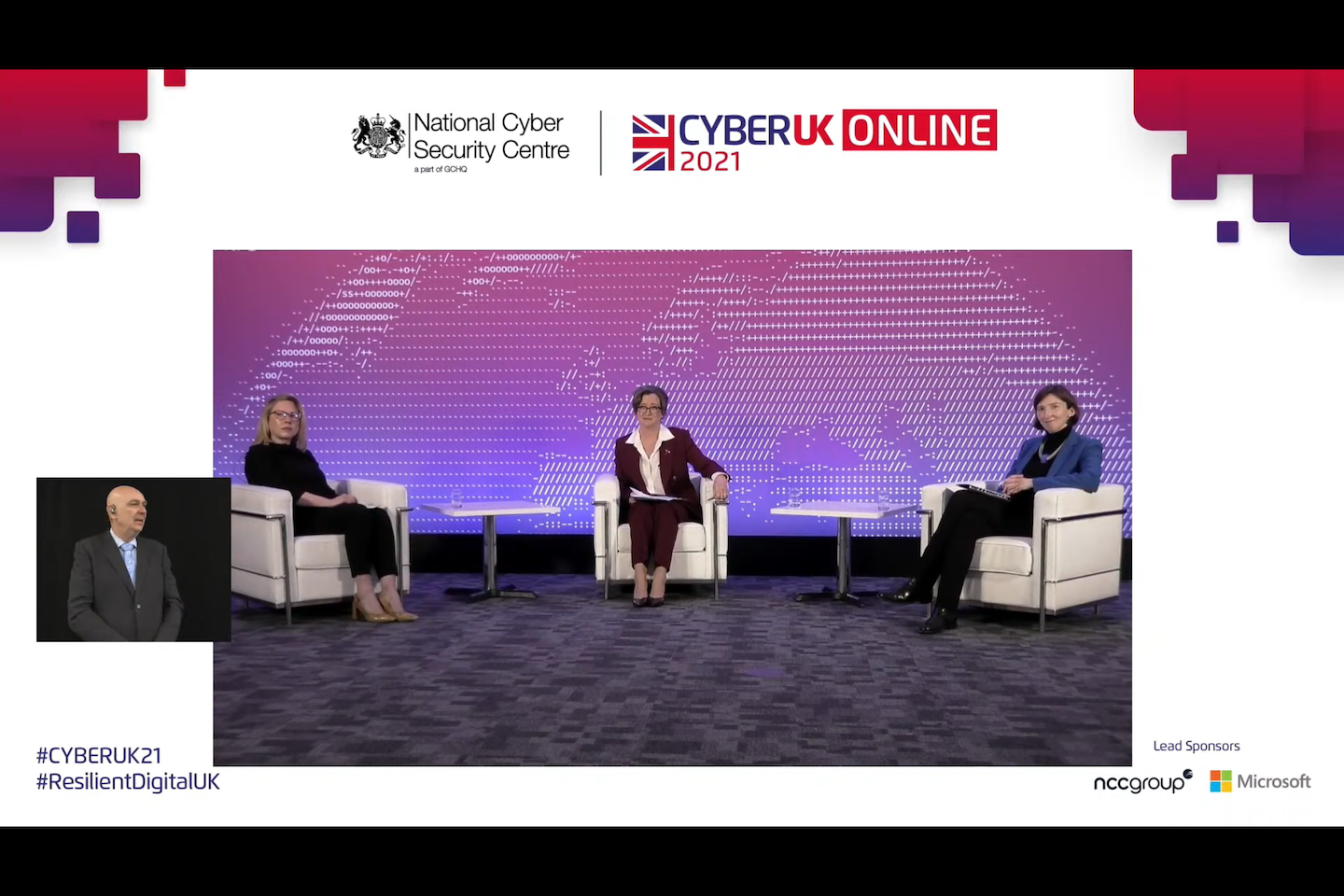
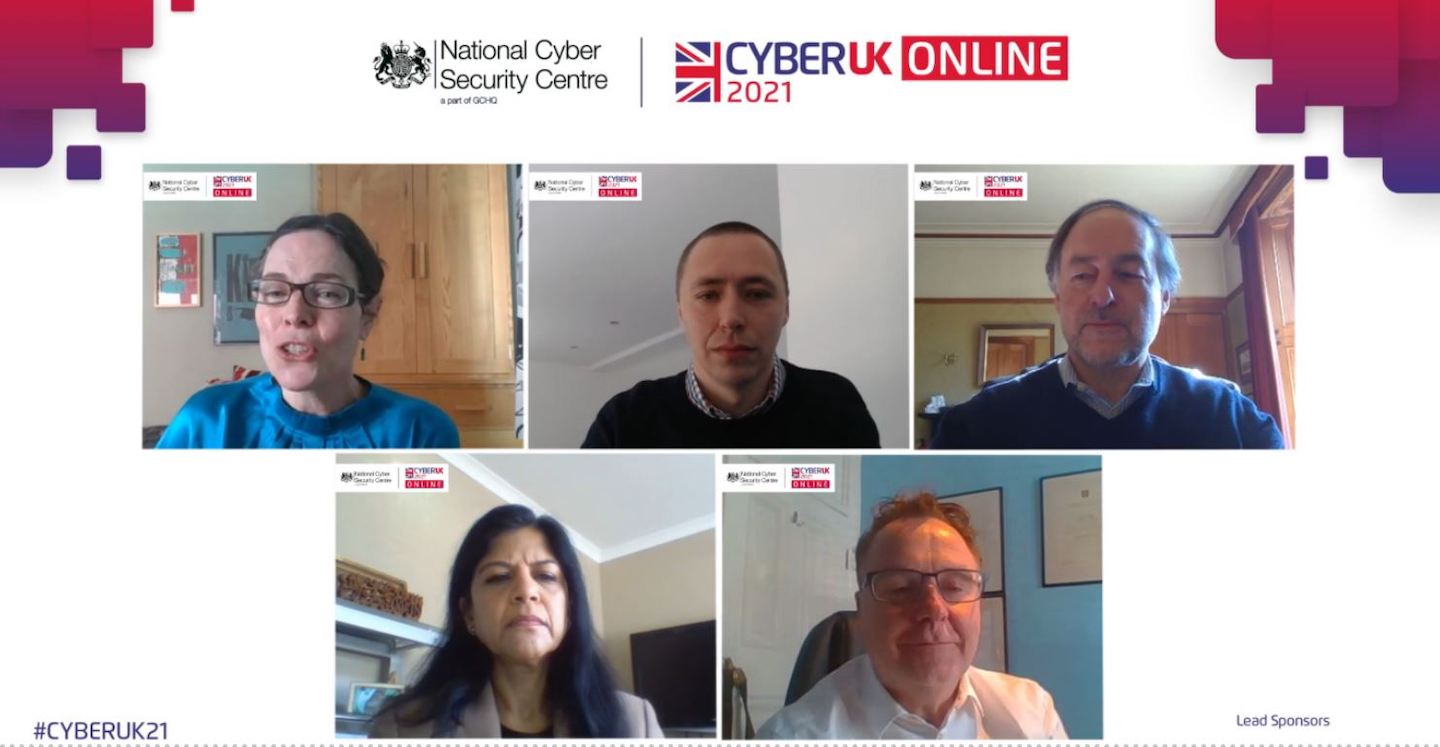
The programme included 20 hours of content, which was made more accessible due to the event’s open format, and it focussed on the theme of “Building a resilient and prosperous digital UK following COVID-19”. Technology enabled high-profile speakers from across the world to come together for keynote speeches, panel discussions and fireside chats delivered either live or via pre-recorded sessions.
This year’s line-up of speakers and panellists included Sudhakar Ramakrishna, CEO, SolarWinds who spoke candidly to the NCSC’s Director of Operations about the compromise at Solarwinds and the subsequent knock-on effect and impact across the globe.
Another first was a link up to the US with the in conversation with Anne Neuberger, Deputy National Security Advisor for Cyber and Emerging Technology for the White House, Beth Sizeland, Deputy National Security Advisor and Lindy Cameron. Among a wide range of topics discussed they covered the impact of the ransomware attack on the Colonial Pipeline Co and the need to bolster resilience on both sides of the Atlantic, and the ways to respond and recover from major attacks.
Representing the UK Government the then First Secretary of State and Foreign Secretary, Dominic Raab, and Home Secretary Priti Patel delivered keynote speeches on key cyber challenges, such as the growing threat from ransomware and how the UK is taking a leading role in preserving a free and open cyberspace.
In addition to a series of live speeches and panels there were a number of pre-recorded sessions where the NCSC came together with the government, academia and industry partners to explore the most important and relevant cyber security topics. Popular sessions included the development of secure connected places and smart cities, and ransomware in the education sector - the risk to schools and ways to prevent it.
Hosting the event on YouTube was a first for the UK Intelligence Community, reflecting the recent shift in the way the world lives and works. The technology brought CYBERUK to a global virtual stage, with viewers engaging across six continents and giving us our biggest audience yet: there were over 65,000 channel views in the first week of going live.