Design and build a privately hosted Public Key Infrastructure
Page 4 of 21
How a PKI operates
How a PKI operates
- 1
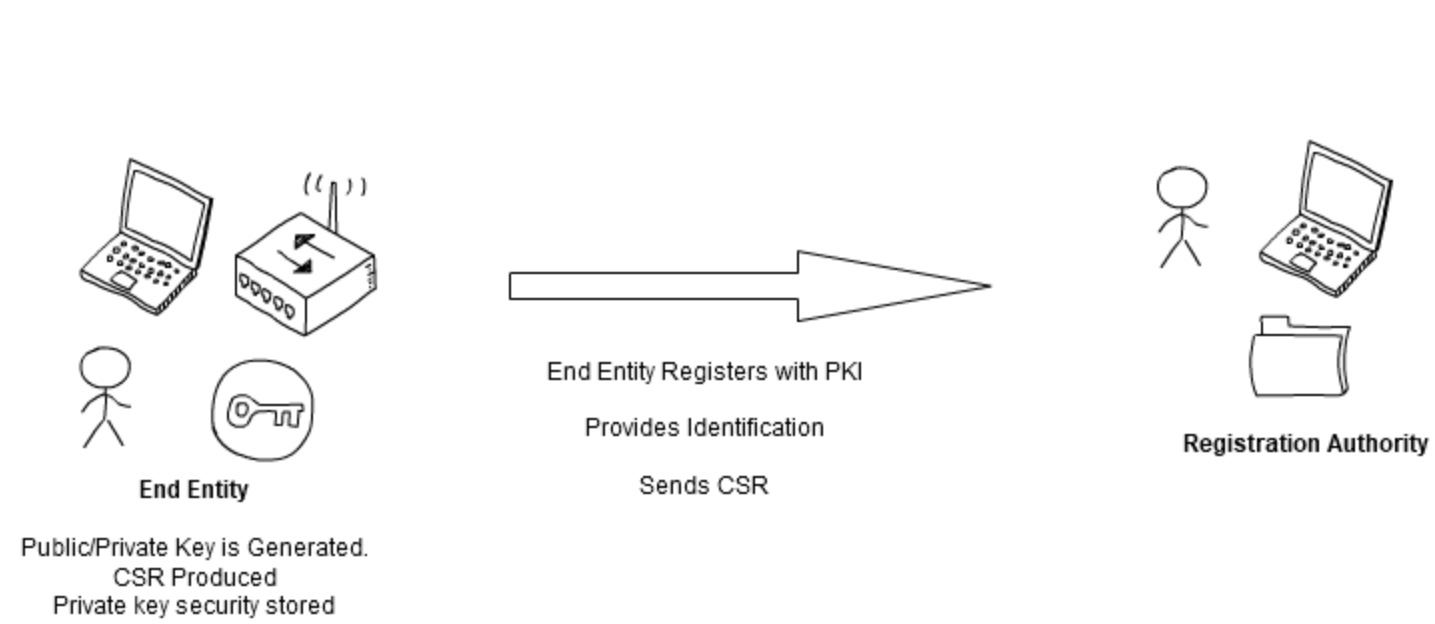
Entity registration
An entity will register with a PKI service by contacting the registration authority and providing a level of identification, along with a PKCS (Public Key Cryptography Standards) #10 certificate signing request (CSR).
The CSR contains the requester's public key, a signature using the private key to prove ownership and most of the details needed to create a certificate. It's important that an attacker cannot intercept the CSR while it's in transit between the end entity and the Registration authority.
- 2
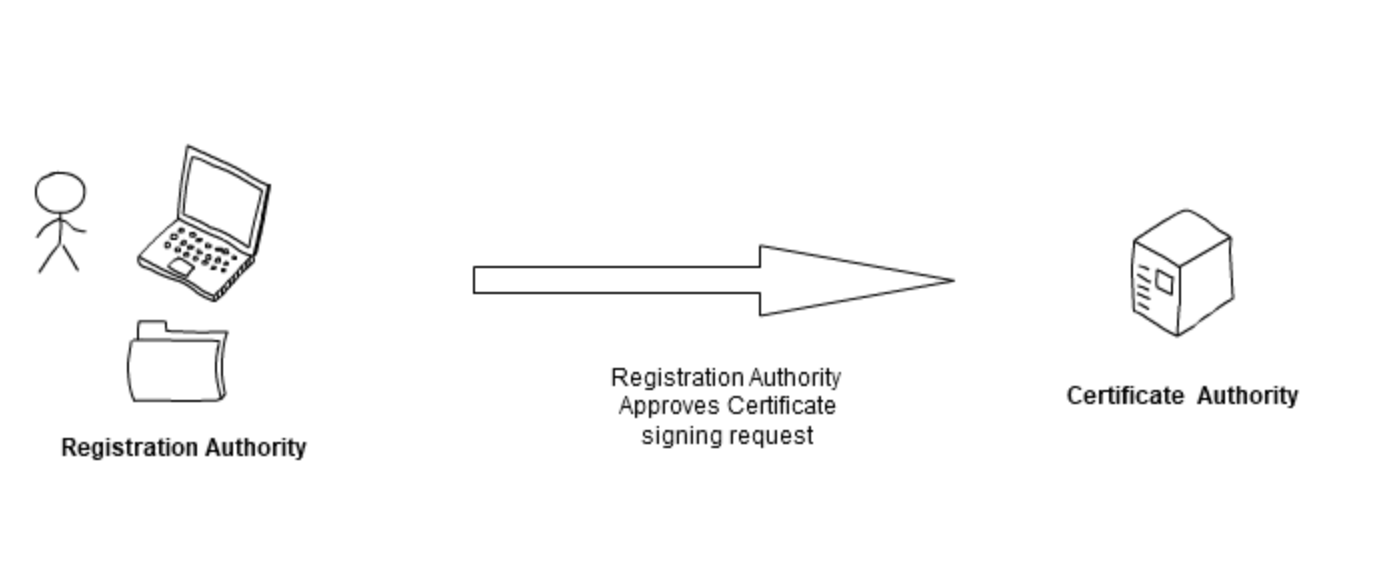
Identity check
The Registration Authority will check the identity of the end entity, the RA will then approve the request and instruct the CA to issue the certificate.
- 3
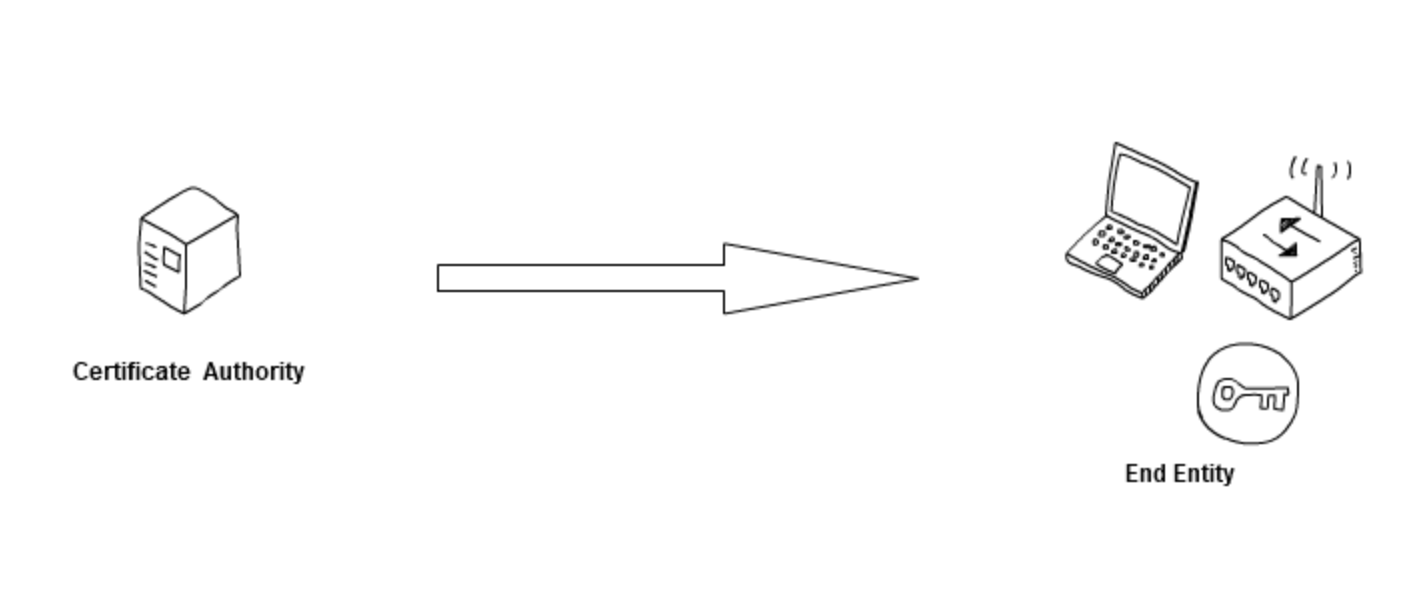
Certificate delivery to End Entity
The CA will deliver the signed certificate to the End Entity and will keep a record of the certificate being issued, for audit purposes. An end entity is now ready to use its certificate for the intended purpose - For example, to make a secure connection with another end entity.