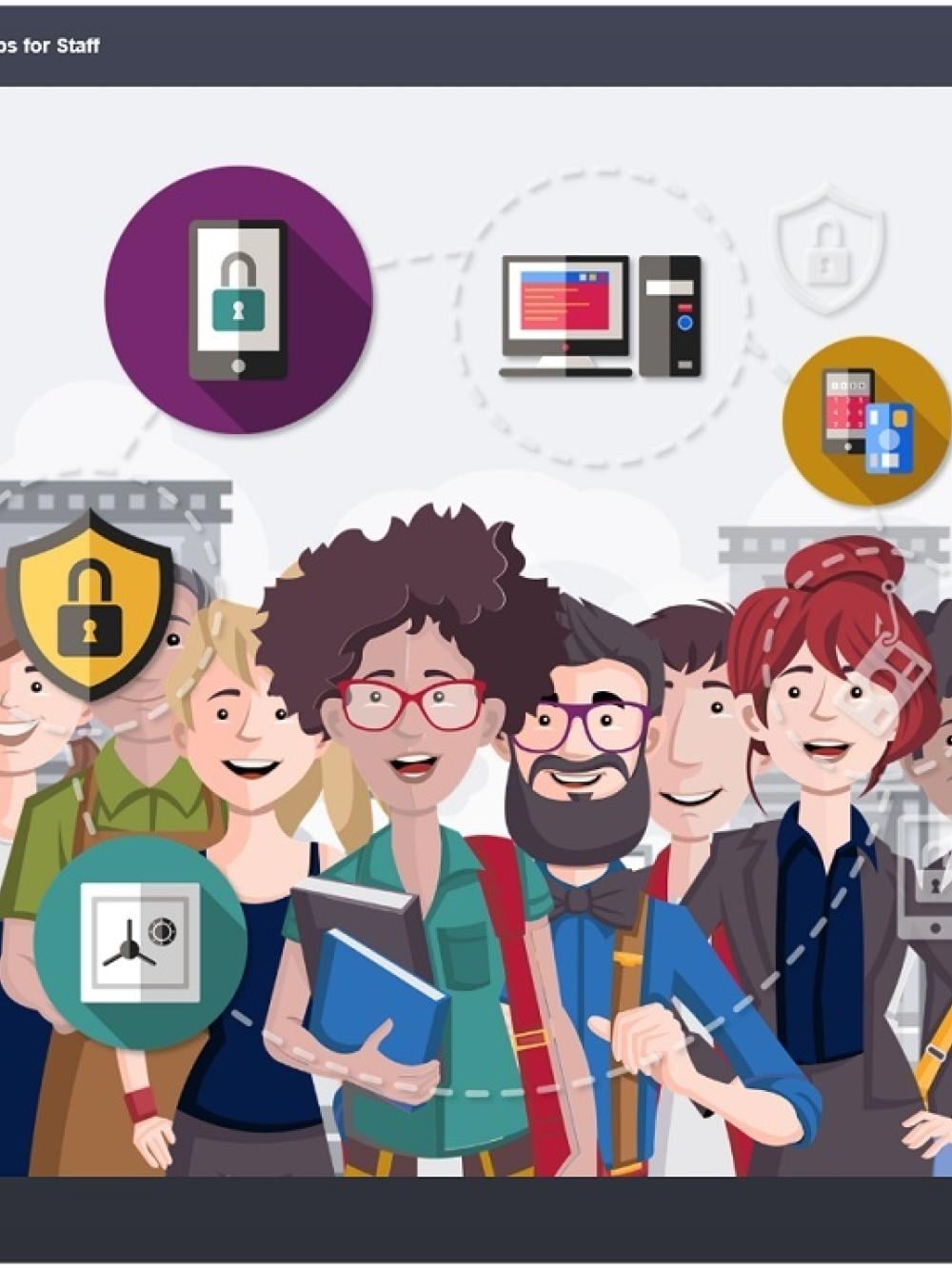
New interactive video - and related downloads - to help secondary school kids stay safe online
| This content was last reviewed on 05/03/2025 |
The NCSC is delighted to present CyberFirst Navigators, a new, interactive video learning resource for pre-teens and young teenagers, designed to raise awareness of the risks which come with using the web.
The free interactive video - with an accompanying set of learning resources - is designed to teach pre-teens and young teenagers about staying secure online, and can be used in school and other youth group settings. The video features a short narrative in which three characters, Olivia, Raheem and Luca, deal with the fallout of a cyber attack.
As the story unfolds, the video explores some common cyber scams centred around social media advertising and ‘scam’ links. At various points in the video, the viewer can choose how the character responds, and then watch how these choices play out.
As children enter secondary school, they’ll probably gain more digital autonomy. Many will have their own phones and devices, and may be exploring social media, and online gaming and shopping. The video illustrates the risks in these activities, and will help them to make informed choices, now and in the future.
The video is supported by a set of learning resources, including:
- three lesson plans with delivery guidance
- the curriculum mapping for all four nations (Wales, Scotland, Northern Ireland, England)
- a subject matter factsheet
Teachers and group leaders can use these materials to discuss the subjects covered in the video. There are also activities that will help students gain a broader understanding of how to keep themselves secure online. These have been quality assured by the PSHE Association, a school curriculum subject in England to help prepare young people stay healthy, safe, and prepared for life’s opportunities.
CyberFirst Navigators could also sit under other areas of the curriculum, like ICT, however we see the quality assurance from the PSHE Association as recognition that the internet is now an integral part of everyday life, and that cyber security is therefore a fundamental part of young people’s personal and social education.
To watch the video and download the resources, please visit the CyberFirst Navigators homepage.
Fiona F
NCSC Economy & Society
Share and print this article
Written by